Why Biodentine™?

You are reading this because your dentist is offering the option of treating your tooth with a new material, called Biodentine.

Biodentine is different to other dental materials and can often replace, or prevent, other more invasive treatments, such as root canal treatment.

Biodentine is different to other dental materials replacing or prevent more invasive treatments, such as root canal treatment.
Your Teeth

Tooth Image 1
Tooth Image 2

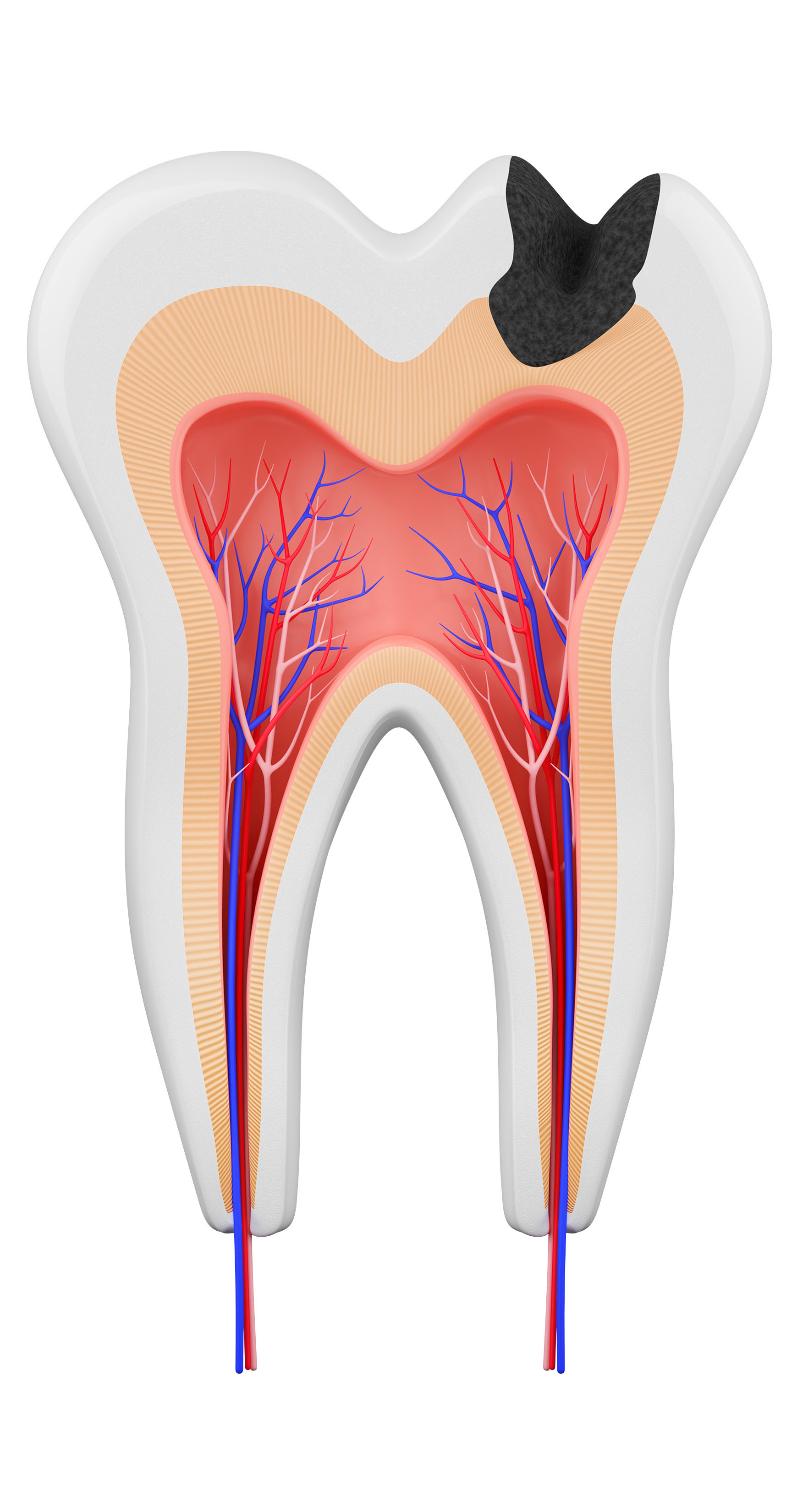
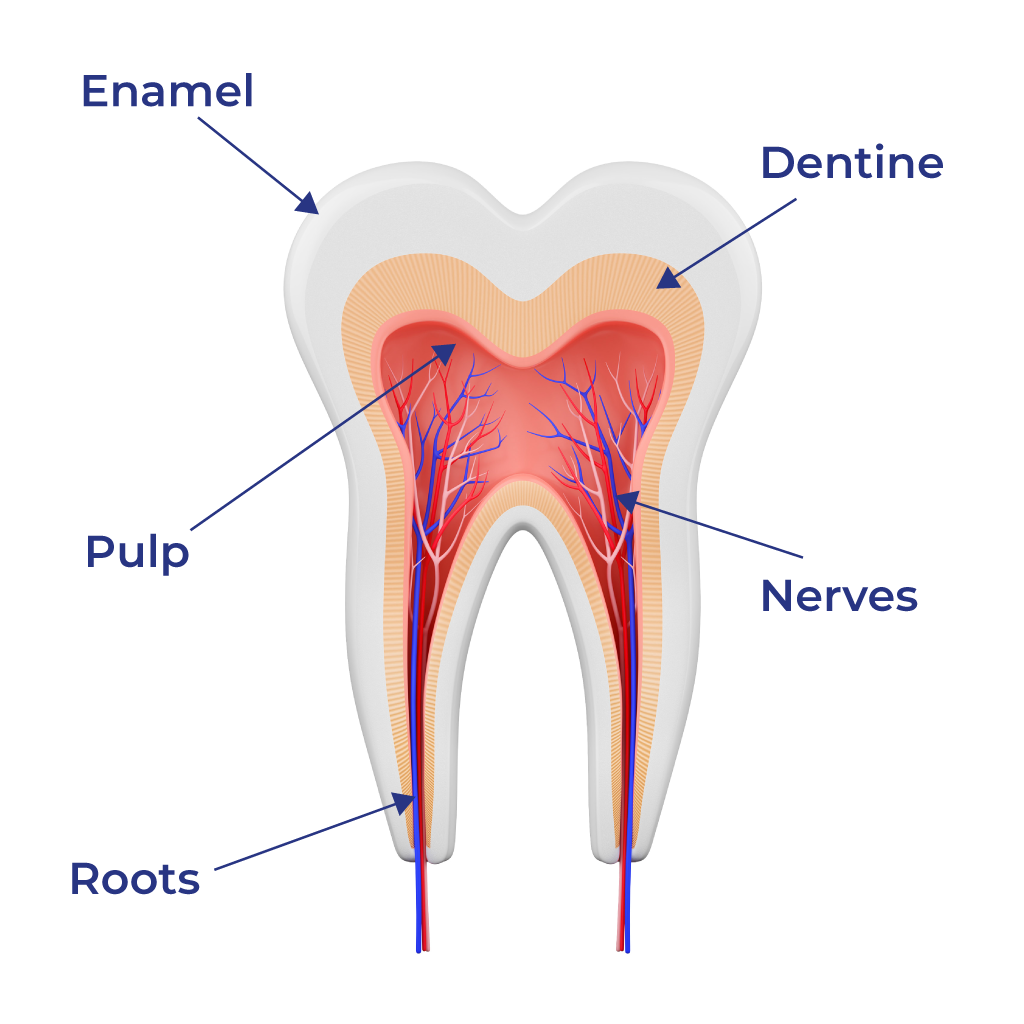
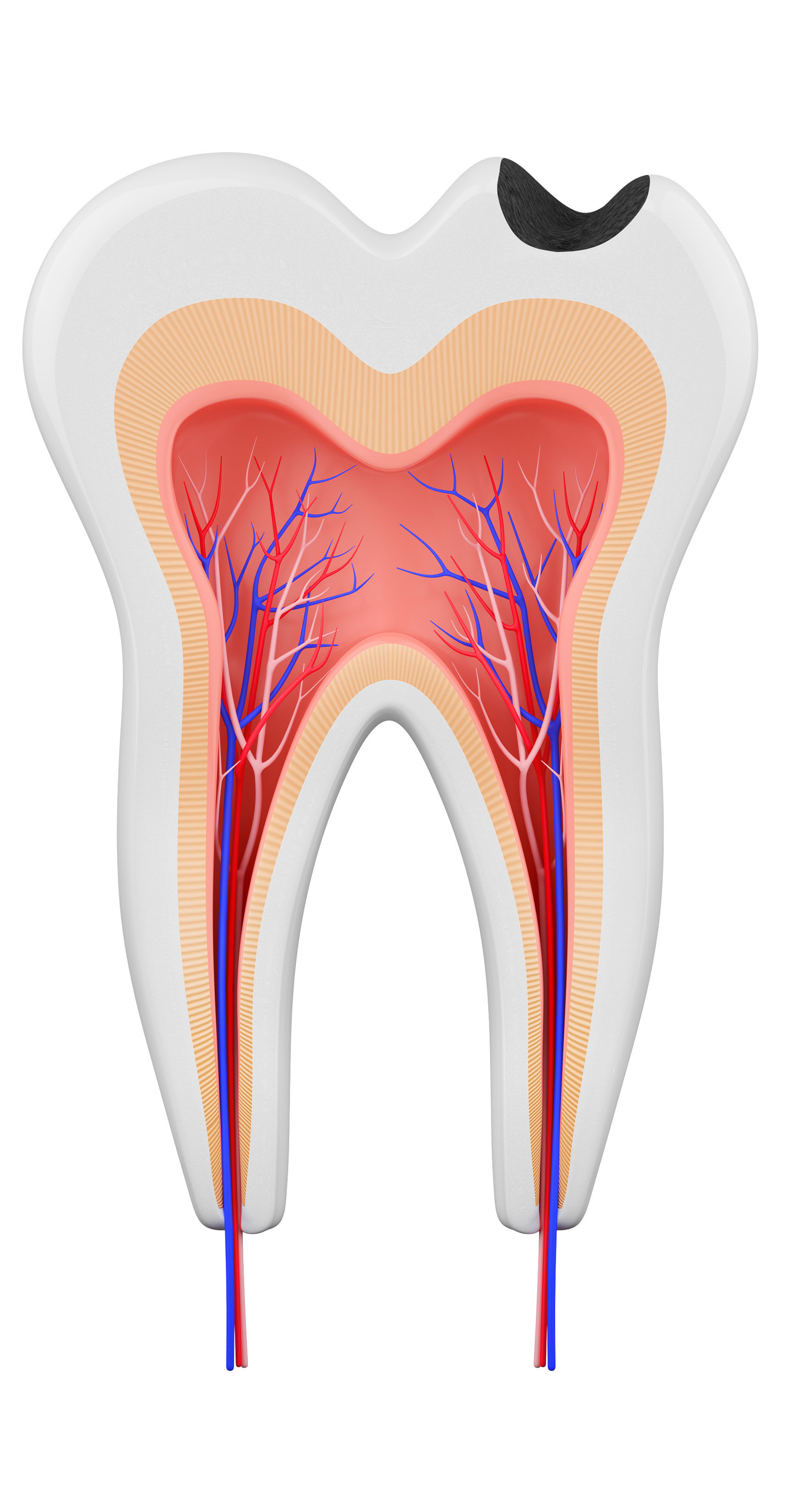
Your teeth are covered in a tough outer shell called ‘enamel’, but this can wear away over time, often due to excessive amounts of sugar which react with bacteria in the mouth. This can cause tiny holes in the enamel and is the start of a ‘cavity’ or ‘caries’.

Teeth are covered in a tough outer shell called enamel, but this can wear away over time. Tiny holes in the enamel are the start of a cavity.

Tooth Image 3

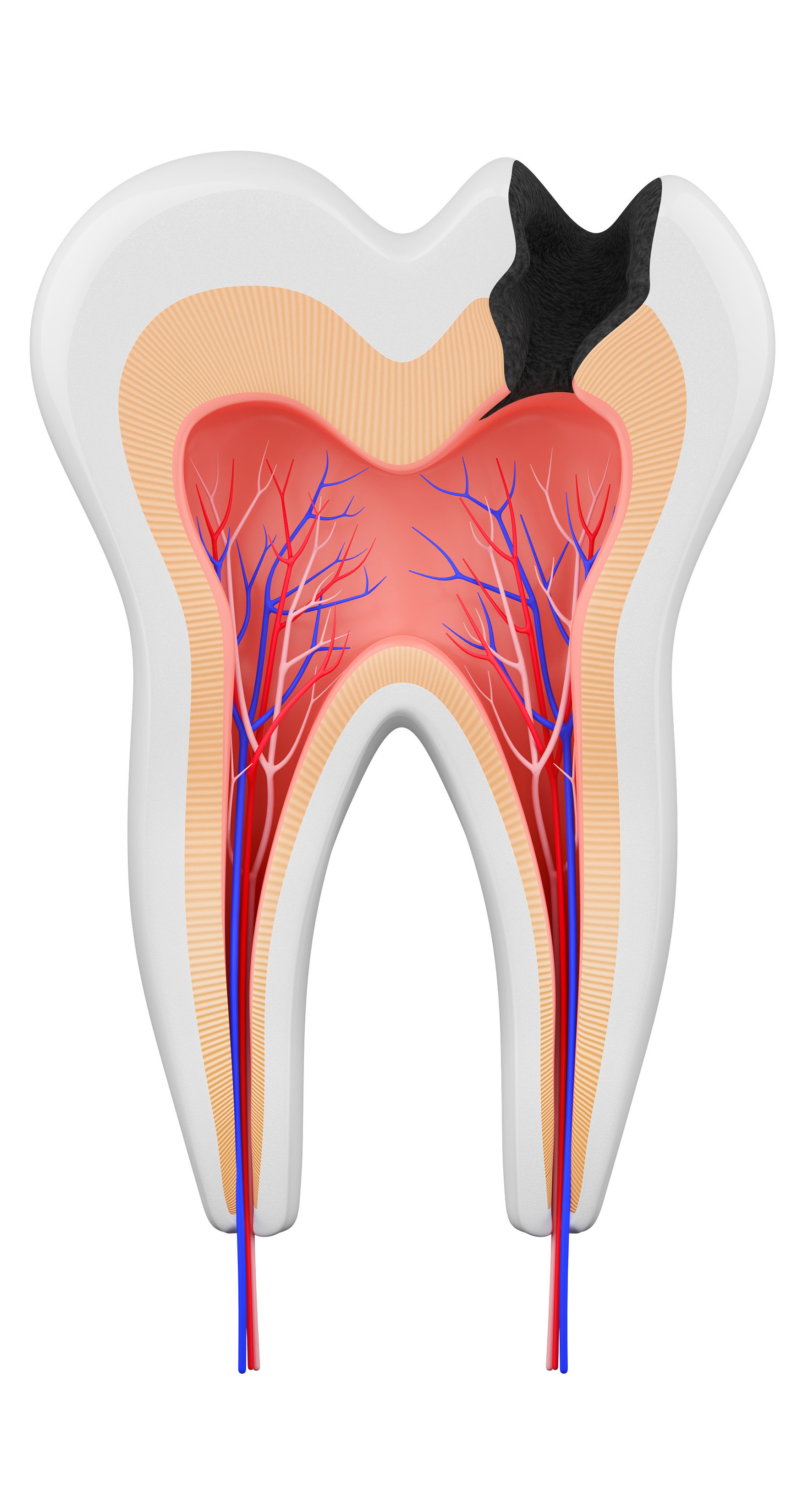
This cavity then exposes the softer dentine underneath. Dentine is more vulnerable to wear from bacteria and acid and has tiny tubes that directly link with the pulp, which houses the nerves of the tooth, causing sensitivity.

This cavity exposes the softer dentine underneath. Dentine houses the nerves of the tooth, causing sensitivity.

Tooth Image 4

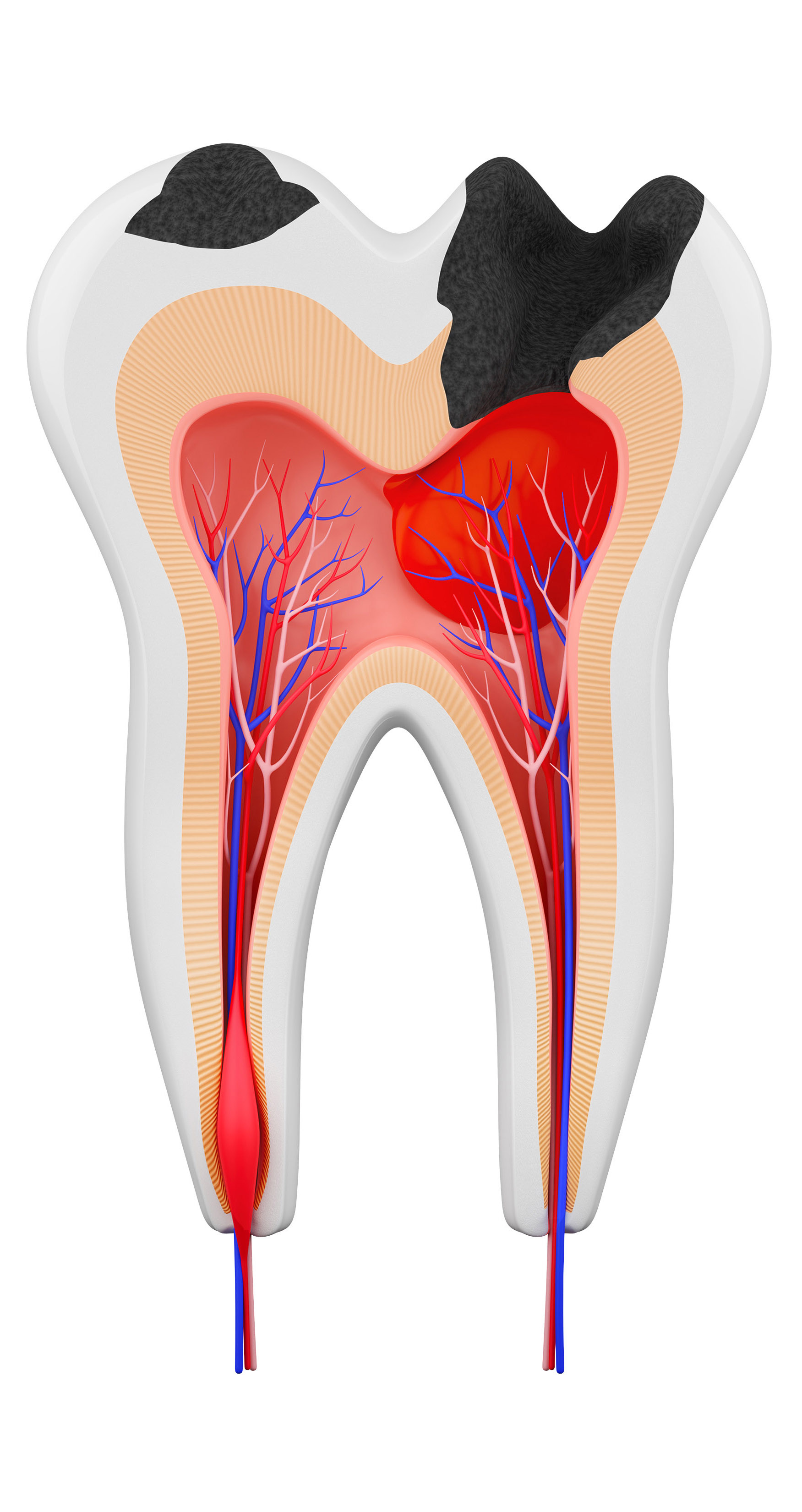
If the cavity goes untreated then the decay continues and the inflammation travels through the pulp, and you get pain - this is known as “pulpitis”.

If the cavity goes untreated then the decay continues and the inflammation travels through the pulp, and you get pain.

Tooth Image 5

This inflammation can even travel down to the bone and the end result will be root canal treatment (where your tooth will no longer be vital/alive) or extraction.

This inflammation can even travel down to the bone and the end result will be root canal treatment or extraction.

How Does Biodentine Work?

Biodentine is mostly made of tricalcium silicate powder which, when mixed and set, forms a material very similar to natural dentine. In fact, while other dental materials are simply “fillings,” Biodentine can remineralise and repair your tooth, even when the pulp has become exposed within the cavity. It has been clinically proven to infiltrate and seal the tiny tubes that link to the nerve and, therefore, can reduce pain immediately (see image). In most cases, your tooth will remain alive and in good condition, thanks to the unique properties of Biodentine.

Biodentine is mostly made of tricalcium silicate powder which, when mixed and set, forms a material very similar to natural dentine. Biodentine can remineralise and repair your tooth. It seals the tiny tubes that link to the nerve and can reduce pain immediately.

What Happens Next?

Your dentist can see significant tooth loss, possibly due to caries. Biodentine will re-seal the pulp, kill off any remaining bacteria and will fill the tooth, permanently replacing all of your lost dentine. Finally, you will need a layer of hard-wearing composite filling or a crown placed over the Biodentine to replace enamel.

Biodentine will re-seal the pulp, kill off any remaining bacteria and will fill the tooth, permanently replacing all of your lost dentine. Finally, you will need a layer of hard-wearing composite filling or a crown placed over the Biodentine to replace enamel.